Ancient faith. Apostolic worship. A parish rooted in the ancient liberty of Utrecht.
Welcome to Saint Francis Parish & Outreach
We are a church where you are celebrated, not just tolerated. If you have given up on church, but not on God, this is the place for you!
Saint Francis Parish & Outreach is an Old Catholic parish rooted in the historic Church of Utrecht, whose heritage reaches back to 695 AD. We stand in the ancient Catholic faith, worship in the sacramental life of the Church, and seek to follow Christ in humility, mercy, reverence, and joy. We are also an inclusive and affirming parish, a safe space for all people, where LGBTQIA+ persons, immigrants, seekers, and all who come in faith are welcomed with dignity and love.
We practice an open communion and do not deny the sacraments to those who seek the grace of God. This is part of our charism as a parish and part of our witness to the Gospel.
We are Old Catholic from the Netherlands in historic origin. We are not Roman Catholic, we are not Protestant, and we are not part of the Union of Utrecht. Our identity is grounded in apostolic continuity, the ancient liberty of Utrecht, and the enduring faith of the undivided Church.
An Ancient Church for a Present Need
Many people today long for a Church that is both historically rooted and spiritually alive. At Saint Francis, we believe the answer is not novelty, but faithful continuity: the ancient creeds, the sacraments of the Church, apostolic ministry, and a parish life shaped by prayer, truth, and charity.
We take seriously the call to proclaim the Gospel with reverence and clarity while welcoming all who seek Christ and his Church. Whether you are a lifelong Catholic, a former churchgoer, a seeker, or simply curious, you are welcome here.
What Makes Us Distinctive
- Old Catholic heritage rooted in Utrecht and dating back to 695 AD
- Apostolic succession and sacramental worship
- Ancient Catholic faith without papal jurisdiction
- A parish shaped by the humility and joy of Saint Francis
- A clear identity independent of the Union of Utrecht
Our Faith and Life
We confess the ancient Catholic faith of the Church, hold fast to the creeds, celebrate the sacraments, and gather around the altar in prayer and thanksgiving. Our worship is recognizably Catholic, our history is deeply rooted, and our mission is to help people encounter Jesus Christ in a parish that is both reverent and pastorally present.
Inspired by Saint Francis of Assisi, we seek to live the Gospel with simplicity, compassion, peace, and love for neighbor. We believe the Church should be a place where truth is proclaimed clearly, worship is offered worthily, and people are treated with dignity.
Join Us for Worship
Sunday Eucharist: Sunday at 3:00 PM Eastern Time
In Person: 557 Greene Street, Augusta, GA 30901
We gather each Sunday for Holy Eucharist in a reverent and welcoming Old Catholic liturgy rooted in the ancient faith of the Church.
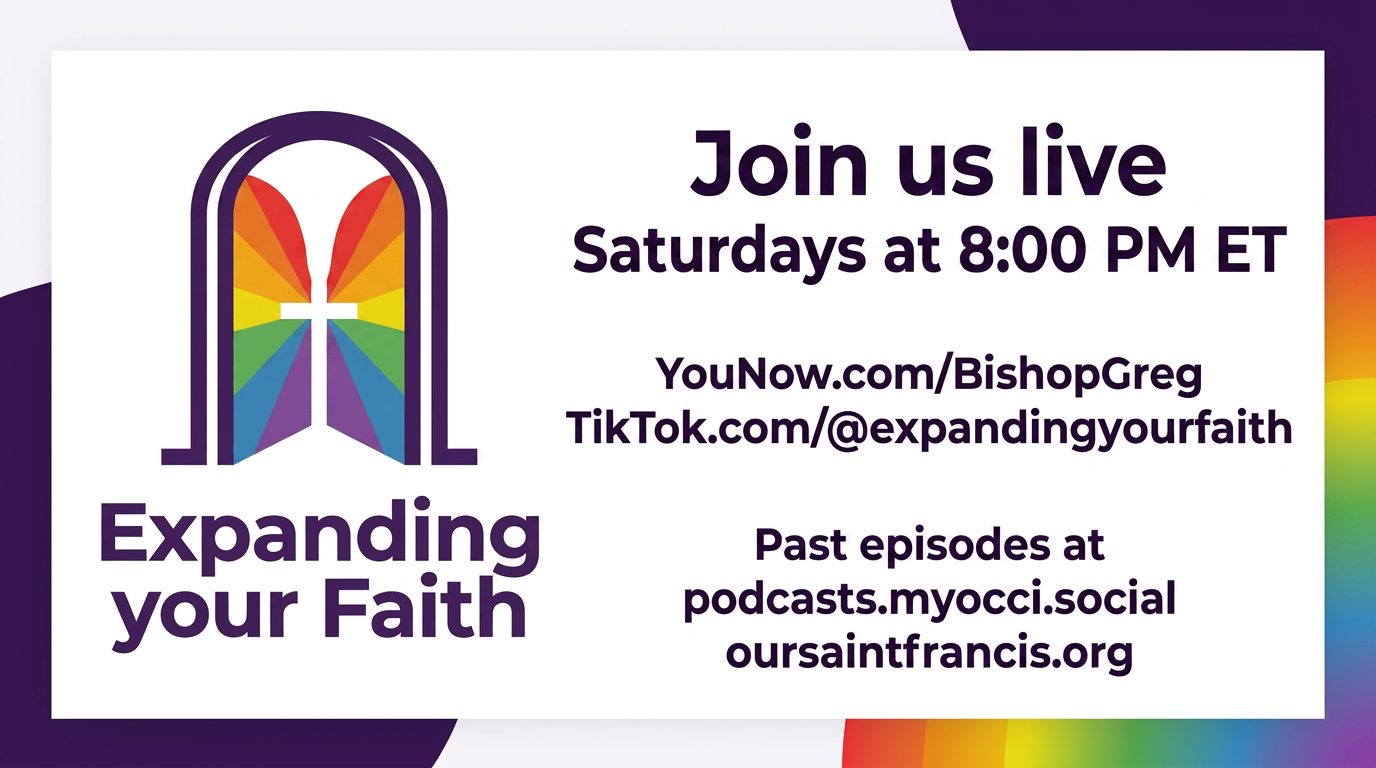
If you cannot attend in person, Mass is also livestreamed on YouNow, Facebook, YouTube, TikTok, and OCCI Video Streaming.
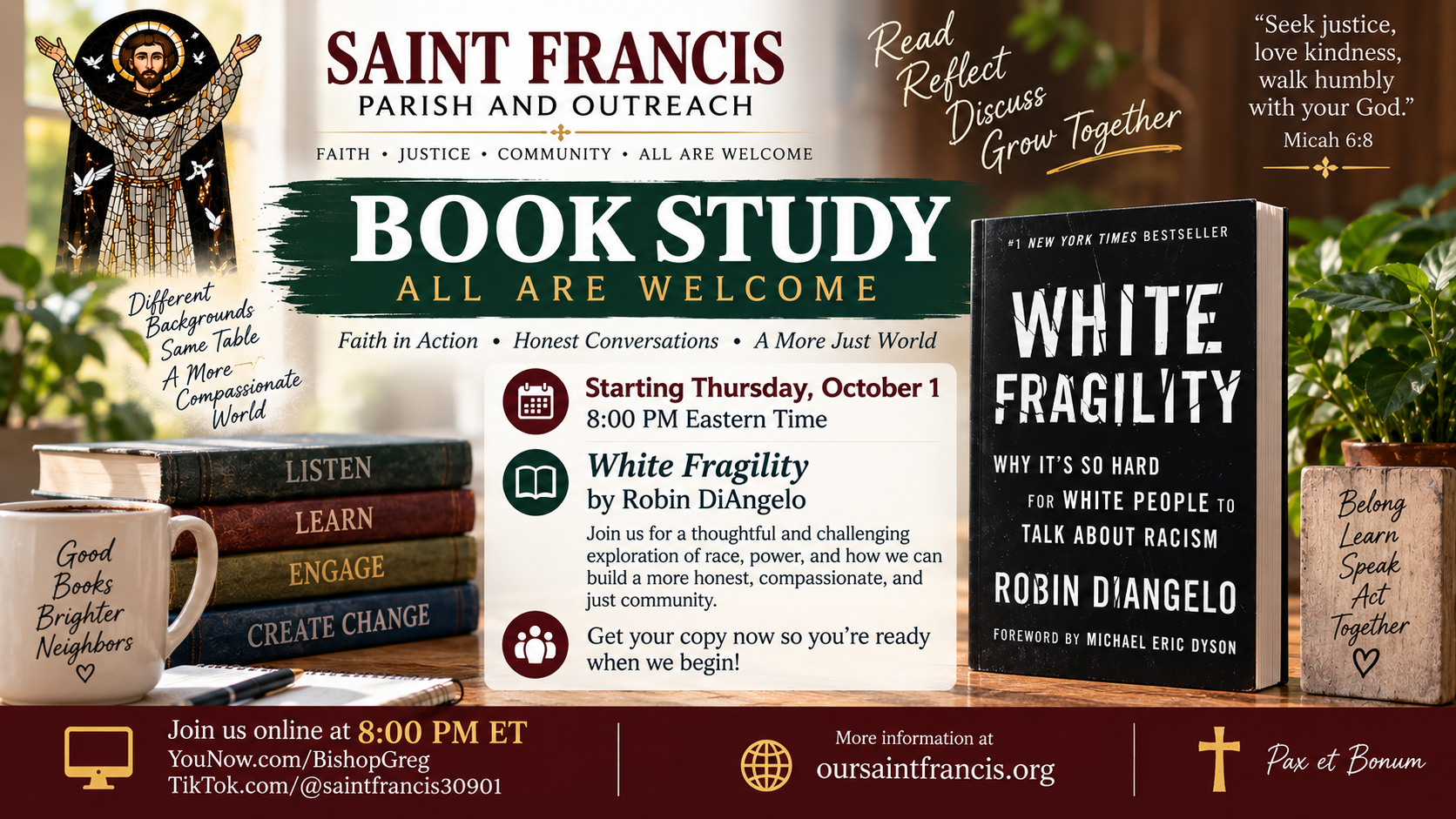
Bible Study: Thursday at 8:00 PM Eastern Time on YouNow and TikTok.
Telephone: 762-215-5312
Email: bishopgodsey@oursaintfrancis.org
Begin Here
If you are new to Saint Francis Parish & Outreach, we invite you to worship with us, learn more about our history, and reach out with any questions. We would be honored to welcome you.
“The faith once delivered to the saints.”